Product Description
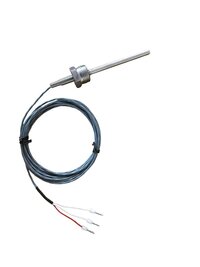
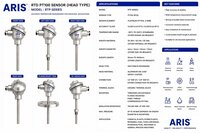
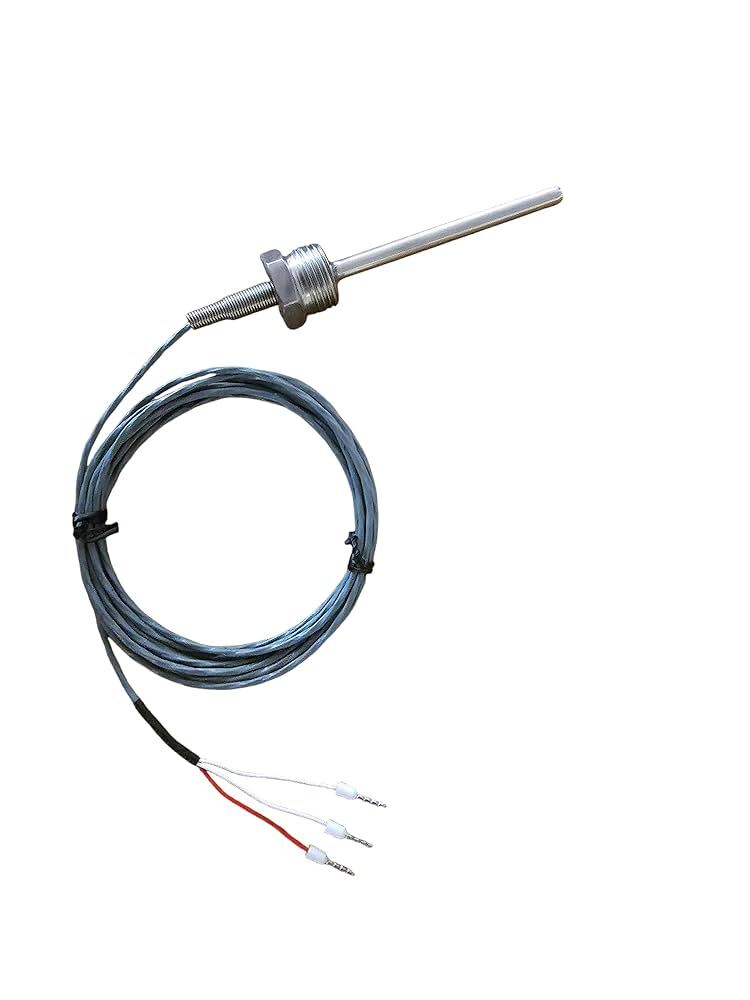
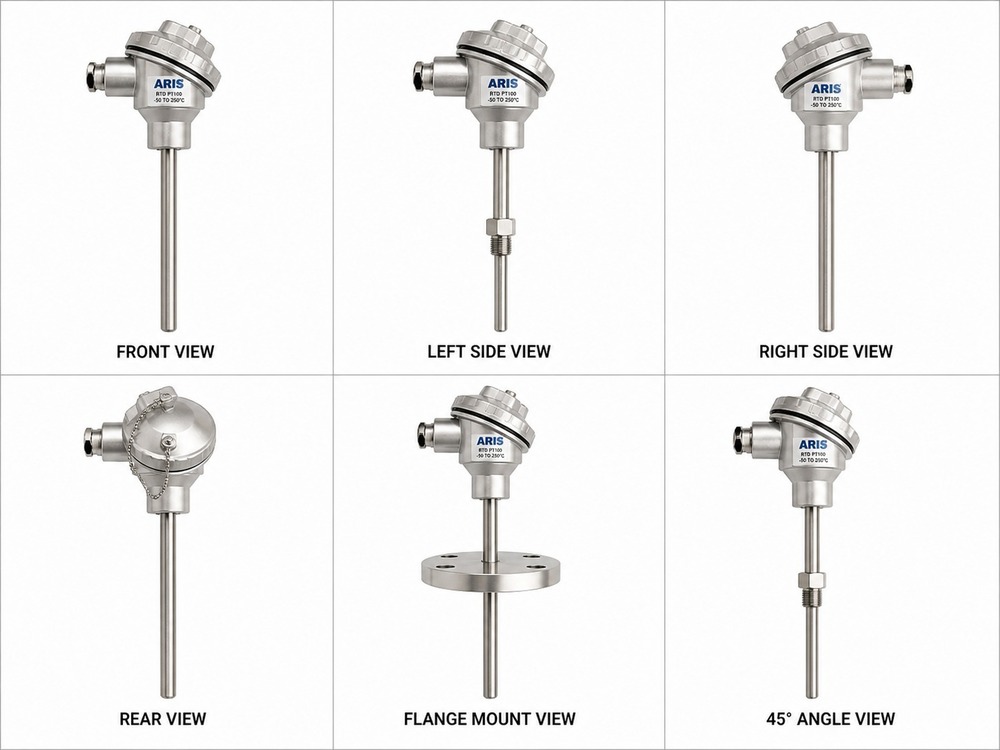
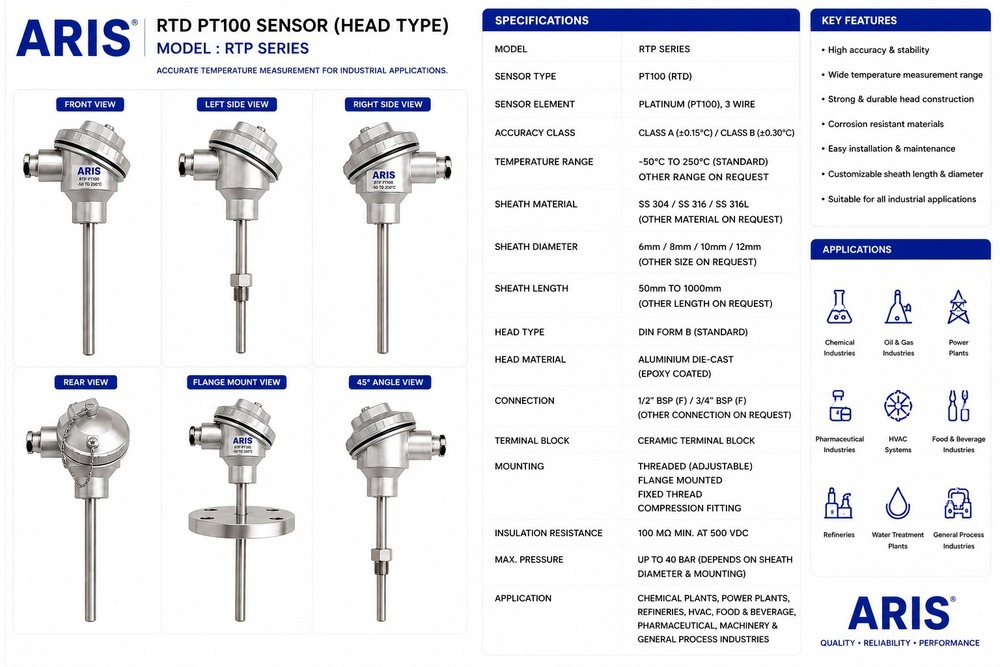
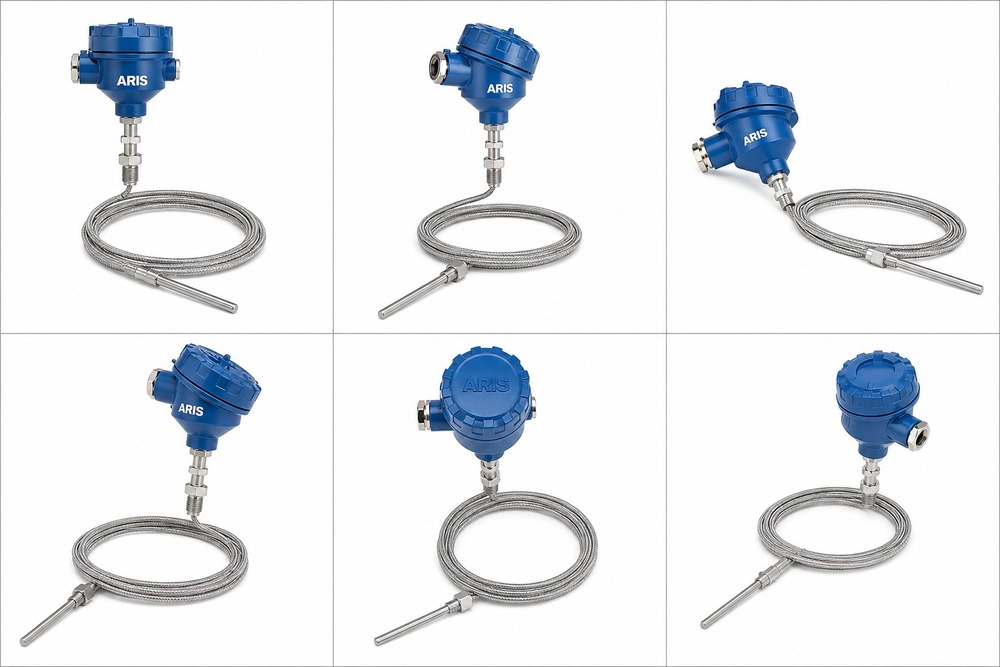
We are a prestigious manufacturer and supplier of RTD PT 100 Thermocouples. The gave thermocouple is very used to measuring the temperature in various modern applications. Under the stern carefulness of our adept specialists, this thermocouple is produced utilizing the best quality parts and current innovation. Furthermore, our eminent customers can benefit this RTD PT 100 Thermocouples from us at sparing costs.
Features:
- Strong structure
- Basic Operation
- Low Maintenance
- Fine wrap up
Product details
|
Dia Meter
|
2 mm to 30 mm
|
|
Frequency
|
50 Hz
|
|
Surface Treatment
|
Powder Coated
|
|
Element
|
Class A / Class- B
|
|
Sensor
|
RTD PT-100 /RTD PT-200
|
|
Connection
|
1/4 feet to 1 feet
|
|
Material
|
SS
|
|
Brand
|
Aris
|
|
Temperature Range
|
-100 to 600 Deg C
|
|
Input Voltage
|
220 V
|
|
Material Grade
|
SS316
|
High Precision and Robust ConstructionConstructed from SS316 stainless steel, our RTD thermocouples offer high mechanical strength and excellent resistance to oxidation, ensuring durability even in harsh environments. With a measuring range from -200C to 600C and a precision of up to 0.15C, they provide accurate and reliable temperature measurements for various industrial applications.
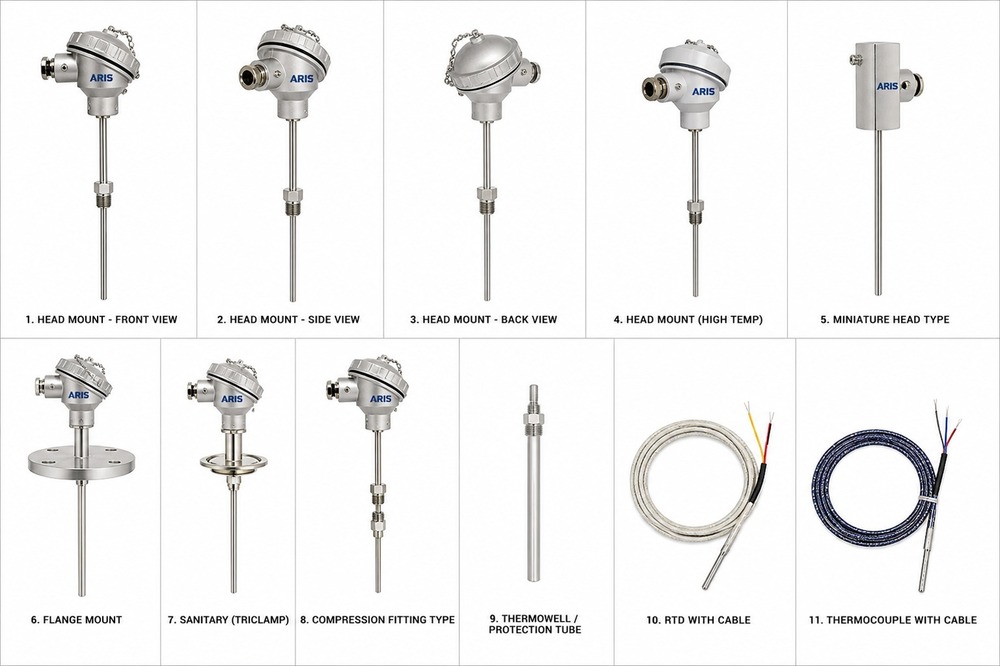
Flexible Designs and Mounting OptionsAvailable in diameters from 3 mm to 8 mm and with customizable probe lengths, these thermocouples can be tailored to your specific requirements. Choose from threaded, flanged, or plain mounting styles, as well as simplex, duplex, or multipoint end connections, to suit your application needs and installation preferences.
Certified and Customizable SolutionsMeeting global standards such as IEC 60751 and ASTM E2877, our sensors guarantee consistency and quality. The range of cable types (high-temperature, PVC, PTFE, Silicone) enhances versatility, while options for Class A or Class B tolerance, wire configuration, and wire length allow for full customization as per client specifications.
FAQ's of Rtd Thermocouples:
Q: How are the RTD thermocouples with ceramic or mineral insulation used in industrial processes?
A: These RTD thermocouples are inserted into process environments where accurate temperature readings are required, such as reactors, pipelines, or furnaces. With tailored probe lengths and robust SS316 stainless steel tubes, they withstand challenging conditions and deliver consistent performance.
Q: What are the mounting and connection options available?
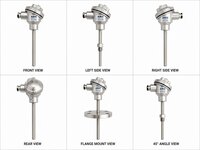
A: You can choose from threaded, flanged, or plain mounting types to match your installation setup. End connections are available in simplex, duplex, or multipoint forms, and process connections include adjustable compression or fixed fittings for flexible integration.
Q: When should I select ceramic versus mineral insulation for my application?
A: Ceramic insulation is best for extremely high-temperature and corrosive settings, while mineral insulation provides faster response times and higher flexibility for moderate to high temperature operations. Your choice depends on operating environment and mechanical requirements.
Q: Where are these RTD thermocouples typically installed?
A: These sensors are widely used in industrial facilities throughout India and globally, including manufacturing plants, refineries, chemical processing facilities, and laboratories, wherever precise temperature monitoring is crucial.
Q: What benefits do IEC 60751 and ASTM E2877 calibration standards offer?
A: Adhering to IEC 60751 and ASTM E2877 ensures high accuracy, easier compliance with international regulations, and compatibility with industrial systems. This results in reliable, temperature measurements for quality assurance.
Q: How does customization work for these sensors?
A: You can customize diameter, probe length, mounting style, cable type, wire length, tolerance class, and connection method during ordering. This tailored approach ensures optimal performance for your specific application needs.
Q: What makes these RTD thermocouples suitable for harsh industrial environments?
A: With an IP65/IP67 rating, SS316 construction, high tensile strength, and high-temperature resistant cables, these thermocouples excel in challenging environments involving heat, moisture, and mechanical stress.






 Send Inquiry
 Send Inquiry
 Send SMS


