Product Description
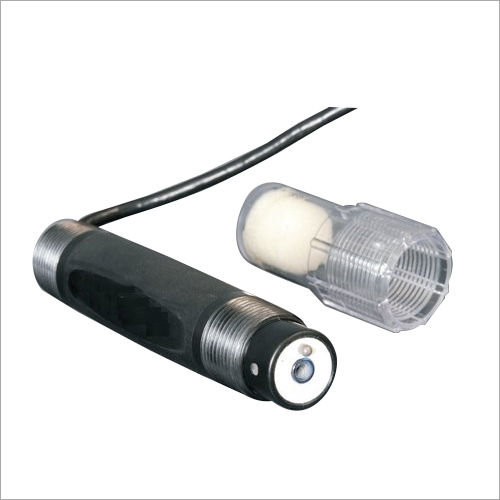
Brodley James PH Sensor is an electronic device, which has been designed as per electrical standards. This device measures the acidity of a solution. It is widely utilized in a wide range of industries such as water treatment plants, food, and beverage industries for checking alkalinity of wine, cheese. Pharmaceutical sector also makes a good use of brodley James PH Sensor. For the regulation and monitoring the PH levels of chemicals in distinct processes, it is admired too.
Reliable Accuracy and Fast ResponseDesigned to deliver quick and precise pH readings, this sensor boasts an accuracy of 0.02 pH and a response time of less than 20 seconds. It is highly suited for continuous monitoring and quality control in critical applications, supported by its wide operating temperature range and high chemical and heat resistance.
Versatile Installation and MaintenanceWhether you require submersible or inline mounting, this pH sensor adapts effortlessly to varied operational needs. Its manual calibration using standard buffer solutions ensures longevity and maintains measurement precision. Standard size and a 12 mm mounting fit make it easy to integrate into existing systems.
Durability and Enhanced ProtectionEngineered with IP68 waterproof protection and constructed using a glass body with an epoxy electrode, the sensor resists harsh chemicals and extreme temperatures. Suitable for both indoor labs and outdoor industrial setups, the included insulation box further enhances safety and reliability during operation.
FAQ's of Brodley James PH Sensor:
Q: How do I calibrate the Brodley James PH Sensor for optimal performance?
A: To calibrate the sensor, immerse the electrode in standard buffer solutions and manually adjust according to the calibration procedure outlined in the user manual. Regular calibration ensures ongoing accuracy and reliable readings during usage.
Q: What applications is this pH sensor suitable for?
A: The Brodley James PH Sensor is designed for laboratory, industrial, water treatment, beverage, and pharmaceutical settings. Its robust construction and reliability make it suitable for diverse pH measurement requirements.
Q: When should I use the submersible versus the inline mounting option?
A: Use the submersible mount for direct immersion in tanks or vessels, especially for continuous monitoring. The inline mount is preferred for pipeline or flow-through installations where measurements are needed within a closed process.
Q: Where should the sensor be stored between uses?
A: Store the sensor at a temperature between -10C and 60C, in the provided insulation box, to maintain electrode integrity and prolong lifespan. Avoid exposing it to freezing conditions or direct sunlight to preserve the reference electrolyte.
Q: What is the process for connecting the sensor to my monitoring equipment?
A: The sensor features a BNC connector and a standard 1-meter cable (custom lengths available). Simply attach the BNC plug to your pH meter or data acquisition system's input port, ensuring secure and stable signal transmission.
Q: What benefits does the chemical and heat resistance offer users?
A: The sensor's chemical and heat resistance allow it to function reliably in aggressive or high-temperature environments. This feature extends the sensor's service life and maintains measurement accuracy, reducing maintenance frequency and replacement costs.







 Send Inquiry
 Send Inquiry
 Send SMS


